The Complete Bird Perch Health Guide
Everything you need to know about choosing safe, natural perches to keep your feathered friends healthy and happy for years to come.
Your bird spends the majority of its life on perches. The wrong perch material can cause chronic pain, infection, and serious health conditions. This guide covers everything from why natural wood matters to the real dangers of plastic and treated wood alternatives.
60-80%
of a bird's life is spent on perches
#1
cause of foot problems is inappropriate perches
70%
of captive birds develop foot issues from dowel perches
3-5x
longer lifespan with proper environmental enrichment
Why the Right Wood is the Most Important Choice You Make for Your Bird
Your bird spends 60-80% of its entire life standing on perches. Think about that. The surface your bird stands on for the vast majority of its life directly impacts its foot health, joint health, mental wellbeing, beak condition, and overall quality of life.
In the wild, parrots perch on dozens of different branches every day, each with unique diameters, textures, bark patterns, and flexibility. This constant natural variation exercises every muscle in their feet, maintains healthy blood circulation, provides mental stimulation, and keeps their beaks and nails naturally conditioned.
When we bring birds into our homes, we have a responsibility to replicate these natural conditions as closely as possible. Natural wood perches from safe, untreated sources are the only way to truly do this. No plastic, dowel, or manufactured perch can match what nature provides.
The Three Pillars of Natural Wood Benefits
Foot Exercise
Varying diameters force feet to constantly adjust grip, strengthening muscles and tendons
Improved Circulation
Changing pressure points prevent blood flow restriction that causes tissue death
Natural Nail Wear
Bark texture gently files nails during normal perching without causing injury
Beak Conditioning
Safe for chewing, which keeps beaks trimmed and provides essential enrichment
Environmental Enrichment
Natural textures, scents, and varied surfaces stimulate natural behaviors
Foraging Instincts
Bark peeling and wood chewing satisfy natural foraging needs
Stress Reduction
Natural materials create a calming environment similar to their wild habitat
Behavioral Wellness
Reduces feather plucking and other stress behaviors caused by boredom
Joint Health
Varied perching positions prevent repetitive strain injuries and arthritis
Posture Support
Natural curves support proper sleeping and resting posture
Immune Support
Reduced stress from proper perching supports overall immune function
Lifespan Impact
Proper foot health is linked to longer, healthier lives in captive birds
Grapevine Wood
The Gold Standard for Parrot Perches
Grapevine is widely regarded by avian veterinarians and experienced parrot keepers as the single best natural material for bird perches. Its unique, twisted growth pattern creates an unmatched variety of diameters, textures, and angles in a single piece of wood. No manufactured perch can replicate what nature creates in a grapevine branch.
Key Facts:
- 100% bird-safe with no toxic oils, resins, or sap of any kind
- Naturally irregular shape provides constant, dynamic foot exercise
- Bark is completely safe for chewing and helps condition beaks
- Dense hardwood core is durable enough for even large Macaws and Cockatoos
- Wild-harvested from pesticide-free forests in Upstate New York
- Twisted, spiraling growth creates the most foot-healthy surface available
- Recommended by avian vets as the #1 perch material for parrots
Why This Matters for Your Parrot:
A single grapevine perch can range from 1/2 inch to 2+ inches in diameter along its length, with bumps, knots, curves, and bark texture changes every inch. This means your parrot's feet are constantly adjusting, gripping, and exercising as they move along the perch. No other material provides this level of natural variation.
Hand-Harvested in Upstate New York
Wild grapevine grows abundantly throughout the forests, woodland edges, and river valleys of Upstate New York. Our cold winters and distinct four seasons produce exceptionally hard, dense grapevine wood that is significantly more durable and longer-lasting than grapevine from warmer climates. The harsh winters create tighter growth rings, resulting in stronger wood that holds up to even the most aggressive chewers. We hand-select each piece from pesticide-free wild growth, far from any agricultural areas, roads, or industrial sites. Every vine is carefully cut by hand, never machine harvested, ensuring we choose only the healthiest, safest pieces for your birds.
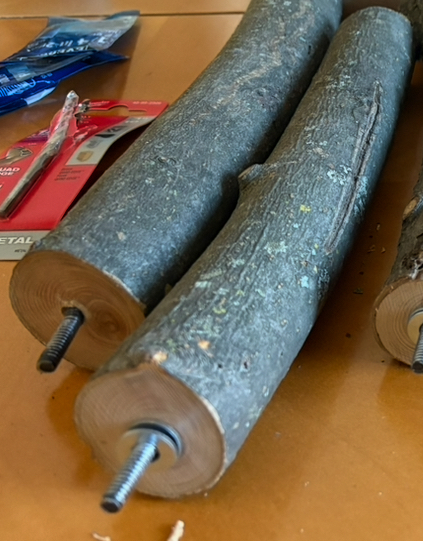
Grapevine's naturally twisted, irregular shape means no two spots on the perch are the same diameter. This forces your parrot's feet to constantly adjust grip, exercising every muscle, tendon, and ligament. The constant micro-adjustments promote healthy blood circulation to the feet, preventing the tissue damage that leads to bumblefoot. Avian vets consistently name grapevine as the single best perch material for foot health.
Parrots' beaks grow continuously throughout their lives and must be worn down through chewing. The bark and soft outer layers of grapevine are irresistible to parrots, providing the perfect chewing resistance. This natural behavior keeps beaks properly trimmed, aligned, and shaped without stressful vet visits for beak filing. For species like Conures and Quakers that are especially aggressive chewers, grapevine provides hours of healthy chewing activity.
Parrots are among the most intelligent animals on earth, with cognitive abilities comparable to a 3-5 year old child. They require constant mental stimulation to stay healthy. Grapevine perches provide texture exploration, bark stripping, chewing satisfaction, and problem-solving engagement that can dramatically reduce stress-related behaviors like feather plucking, excessive screaming, cage aggression, and self-mutilation.
The varying diameters mean your parrot naturally shifts foot positions throughout the day, preventing the repetitive strain that causes arthritis. This is especially critical for larger parrots like African Greys and Amazons, who can live 50-80+ years. Joint problems that develop in their youth from poor perches compound over decades, leading to chronic pain and disability in their senior years.
Pododermatitis (bumblefoot) is the #1 foot disease in captive parrots, and it is almost entirely preventable. Unlike uniform dowels that press on the exact same foot spots 24 hours a day, grapevine distributes weight across different areas of the foot as the bird moves along the perch. Avian veterinarians consistently recommend grapevine as the most effective way to prevent bumblefoot.
The rough bark texture and hard knots on grapevine naturally file your parrot's nails during everyday perching. This reduces the need for stressful nail trimming sessions at the vet or at home. Many parrot owners notice that after switching to grapevine perches, their bird's nails stay at a healthy length naturally.
Grapevine Benefits by Parrot Species
Every parrot species benefits from grapevine, but in different ways. Here is how grapevine specifically helps your bird.
Perfect chewing hardness for their strong beaks. The varied diameters are ideal for their smaller feet. Quakers are prolific chewers and grapevine gives them a safe, long-lasting outlet.
The natural curves provide comfortable sleeping perches. Conures especially love stripping bark, which keeps them occupied and reduces screaming.
Greys are prone to bumblefoot due to their heavier body weight. Grapevine's varying pressure points are critical for their foot health over their 50+ year lifespan.
These medium-large parrots benefit from the larger diameter sections while still being able to chew the thinner branches. Excellent for beak conditioning.
The dense hardwood core withstands even the most powerful beaks. Large grapevine pieces with 2+ inch diameter sections provide the substantial perching surface these big birds need.
Smaller grapevine pieces with 3/8 to 3/4 inch diameters are perfect for these tiny feet. The texture variation is just as important for small parrots as large ones.
Apple Wood
The Beloved Classic for Parrots of All Sizes
Apple wood has been a trusted favorite among parrot keepers for generations, and for good reason. Known for its naturally antibacterial properties, pleasant mild scent, moderate hardness, and beautiful grain patterns, apple wood provides an ideal balance of durability and chewability that parrots absolutely love. It is one of the few woods that is completely safe for birds at every level: perching, chewing, ingesting bark, and even breathing in dust from chewing.
Key Facts:
- Naturally antibacterial and antifungal properties resist pathogen growth
- Pleasant, mild sweet aroma that parrots find calming and attractive
- Moderate hardness is the ideal balance for perching AND chewing
- Contains safe, natural tannins that are actually beneficial for birds
- Sourced from untreated, chemical-free apple orchards across Upstate New York
- Natural branch forks create Y-shaped perches ideal for sleeping positions
- One of the most recommended woods by avian veterinarians worldwide
- Produces beautiful, fine-grained wood that is smooth yet provides grip
Why This Matters for Your Parrot:
Apple wood occupies a unique position among bird-safe woods: it is hard enough to be durable and provide a firm perching surface, yet soft enough that parrots of all sizes find it satisfying to chew. The natural antibacterial properties mean the perch is actively resisting pathogen growth between cleanings. And the mild, sweet aroma that apple wood gives off is calming to birds, making it particularly valuable for anxious, newly rehomed, or rescue parrots.
Sourced from Upstate New York Orchards
Upstate New York is one of America's premier apple-growing regions, with orchards dating back centuries to the early colonial period. We source our apple wood from local, family-owned orchards during natural seasonal pruning and occasional tree removal, ensuring nothing goes to waste. The cold Upstate New York climate, with its harsh winters and distinct four seasons, produces exceptionally dense, hard apple wood with tight growth rings that holds up beautifully even for the most enthusiastic chewers like African Greys and Cockatoos. Every piece is carefully selected by hand from trees that have never been sprayed with pesticides, herbicides, or chemical fertilizers.
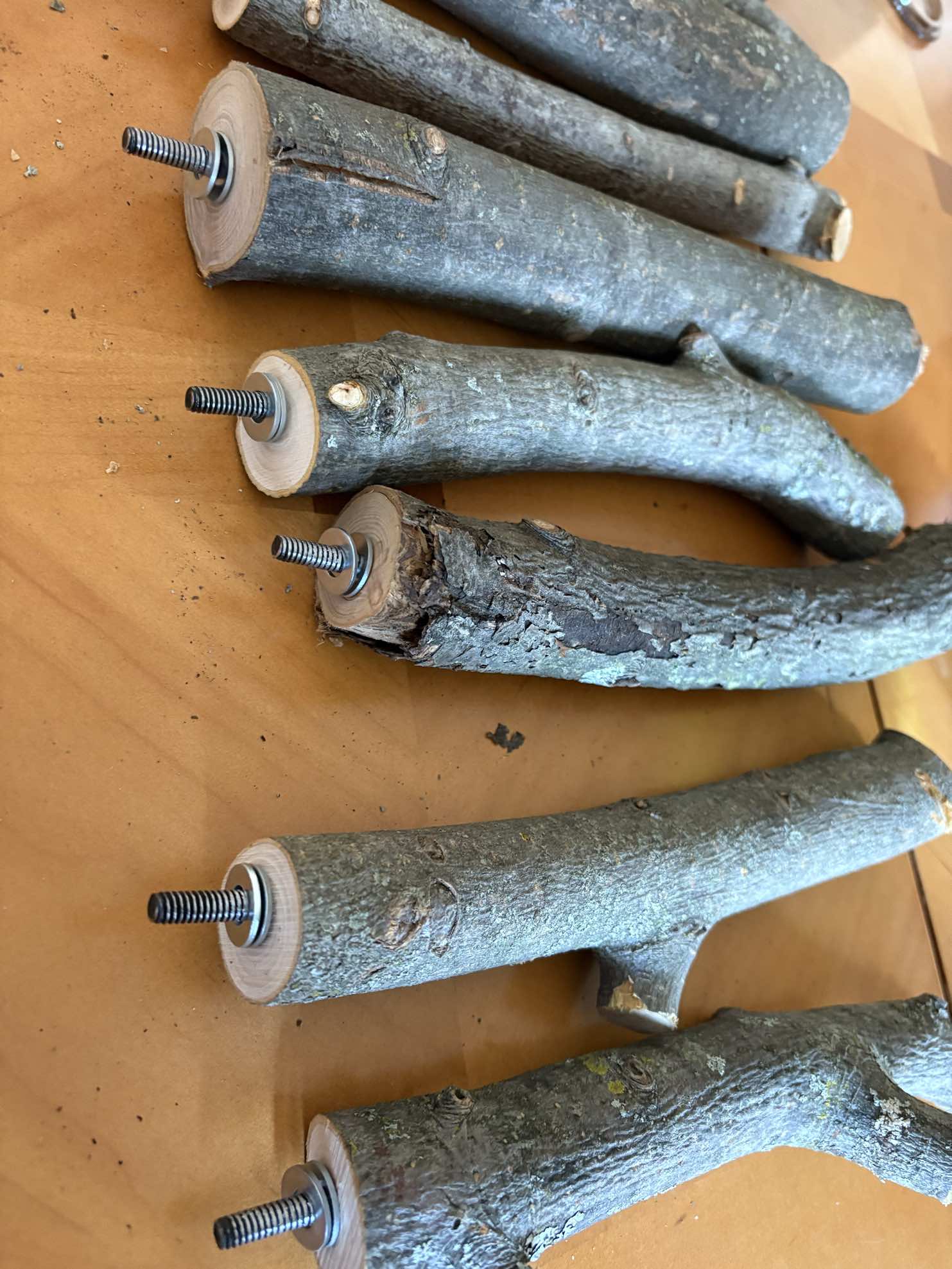
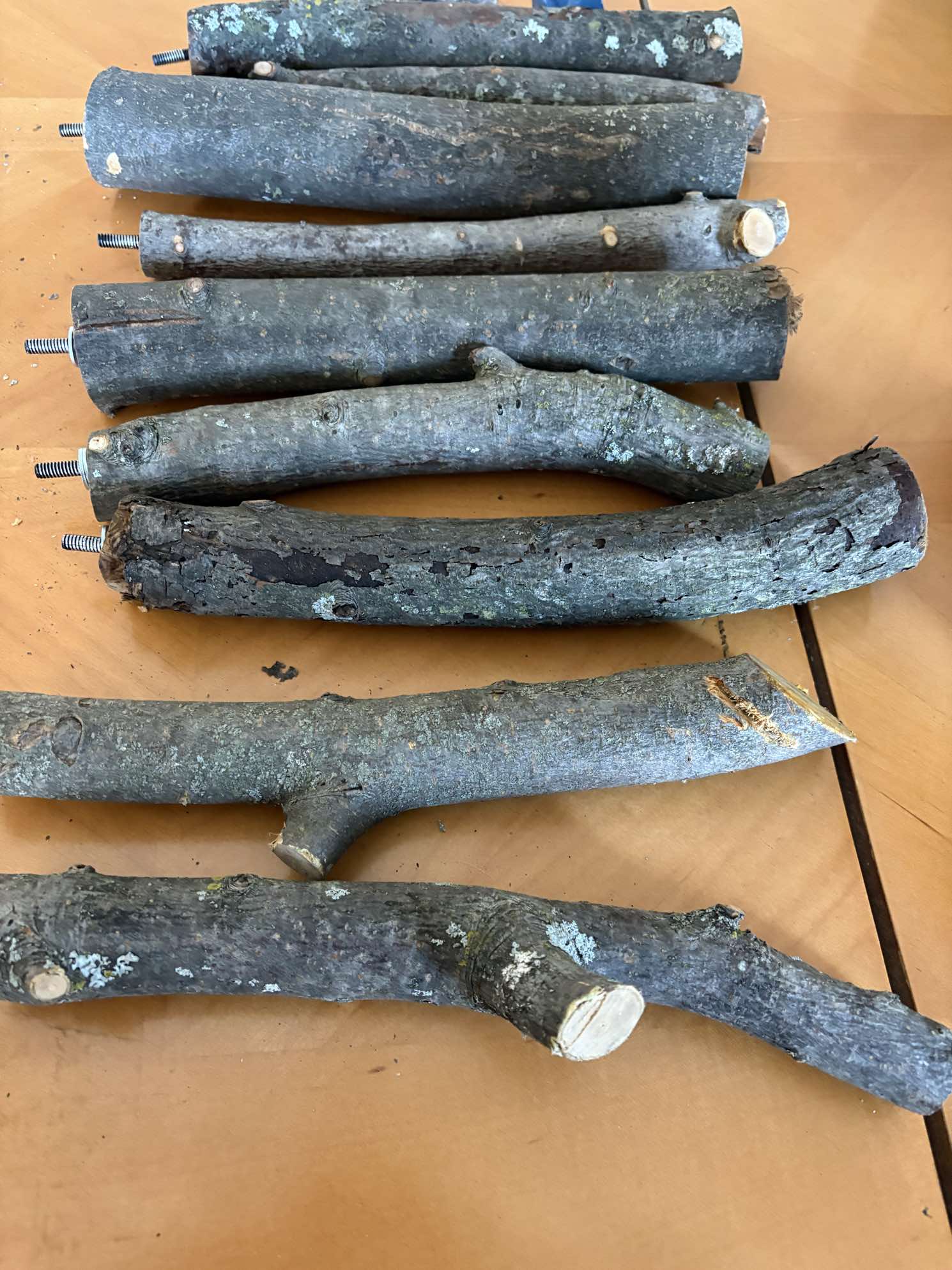
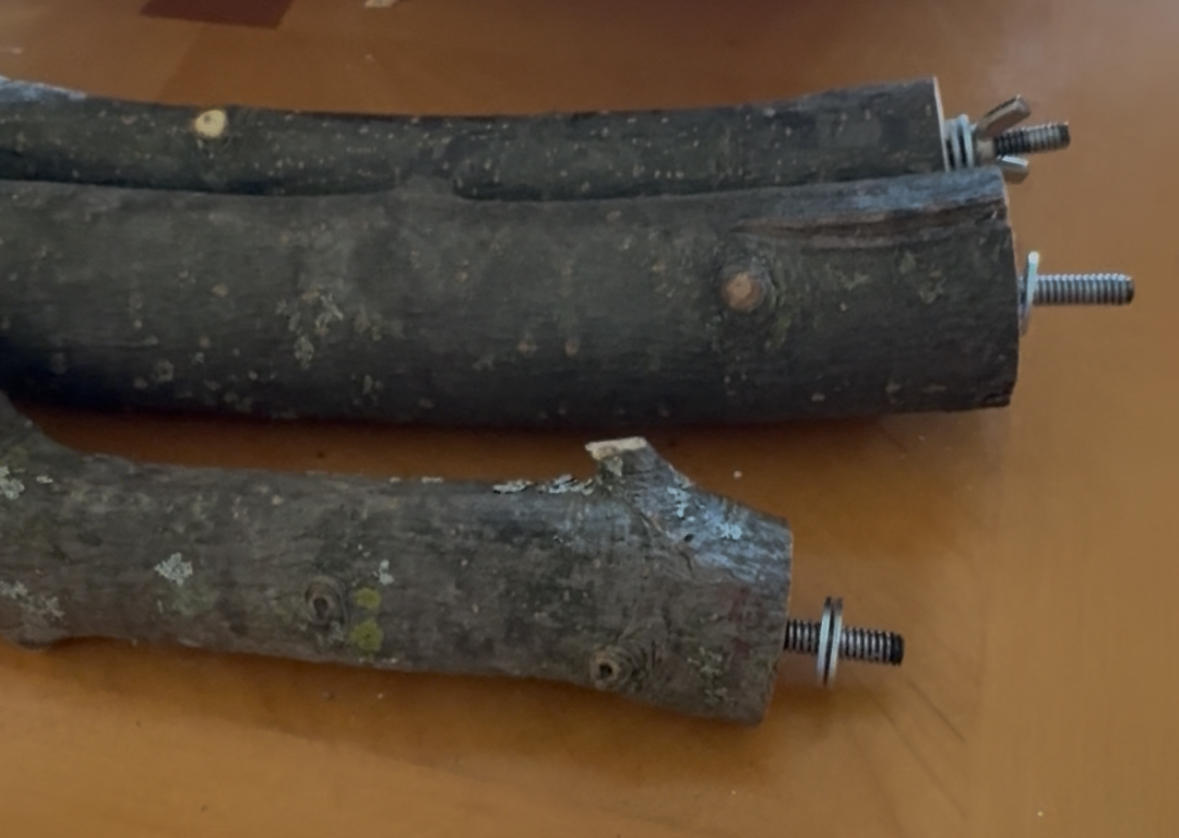
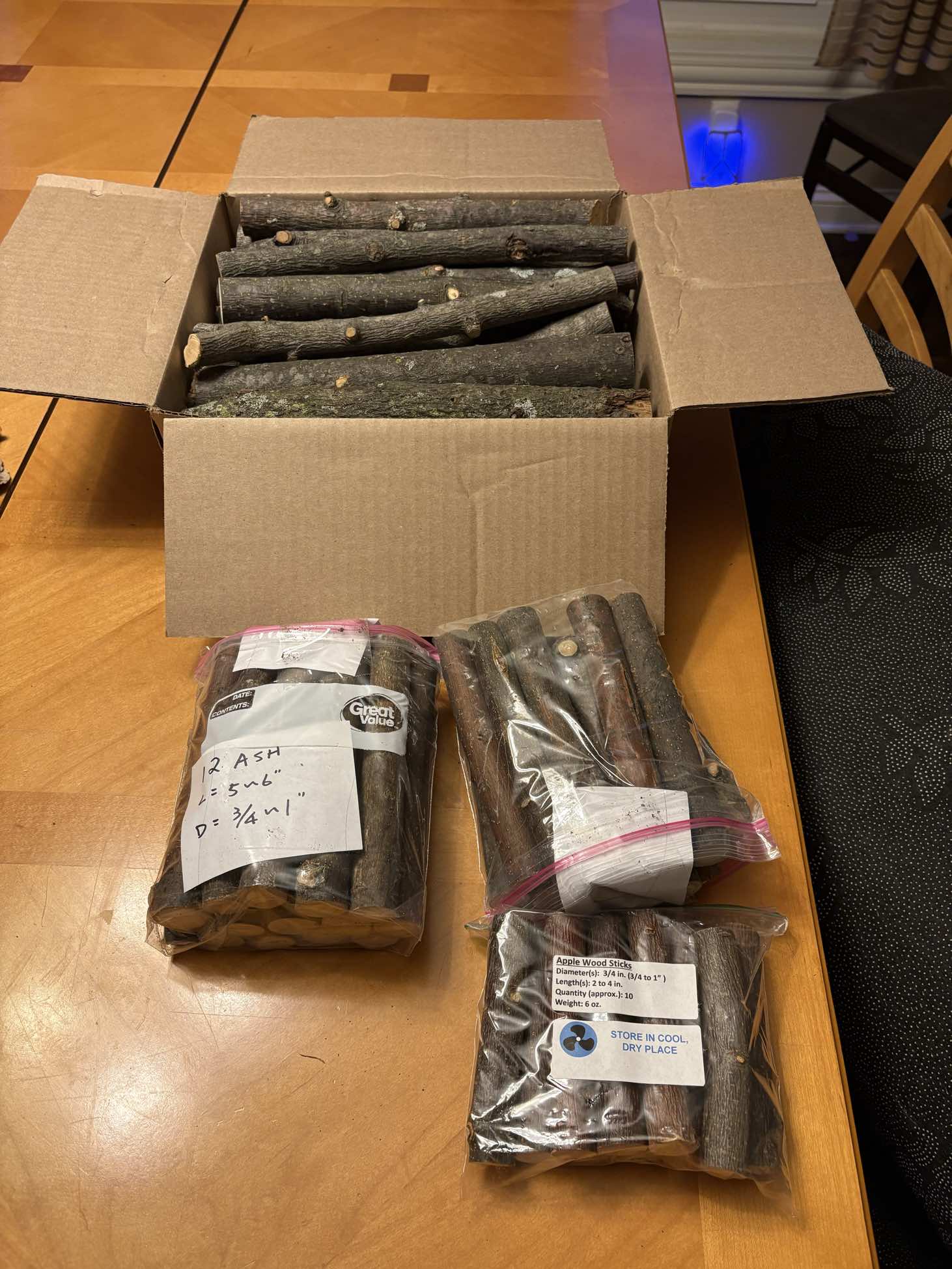
Apple wood contains natural phenolic compounds and tannins that actively resist bacterial and fungal colonization. Scientific studies have shown that apple wood surfaces harbor significantly fewer pathogens than plastic, metal, or softwood surfaces. This makes apple wood perches inherently more hygienic, reducing your parrot's daily exposure to E. coli, Aspergillus (a deadly fungal infection in birds), and other harmful organisms between cleanings.
A parrot's beak grows continuously and must be worn down through regular chewing. Apple wood hits the ideal sweet spot: hard enough to provide resistance that properly wears the beak, yet soft enough to be satisfying and engaging. Many parrot owners report that apple wood is their bird's absolute favorite chewing material. For species like Quaker Parrots, Conures, and African Greys that are especially enthusiastic chewers, apple wood provides hours of healthy beak-conditioning activity.
Apple wood has a mild, naturally sweet, pleasant aroma that parrots respond very positively to. This subtle scent can help create a calming, stress-reduced cage environment. Avian behaviorists specifically recommend apple wood for anxious birds, newly rehomed parrots, rescue birds with trauma histories, and any parrot showing signs of stress like feather plucking or excessive vocalization. The scent is especially noticeable when the bird chews, creating a positive association with the enrichment activity.
Apple trees naturally produce Y-shaped forked branches that are invaluable for parrots. Birds instinctively seek out forked perches for sleeping because the fork cradles their body and provides a sense of security. These natural forks also give parrots choice in how they grip, with different diameters on each branch of the fork. This promotes both foot exercise during the day and comfortable, secure rest at night.
The bark on apple wood branches is completely safe for parrots to strip, shred, and ingest in small amounts. Bark stripping is one of the most important natural foraging behaviors for captive parrots, and apple bark provides the perfect texture: it peels in satisfying strips that keep birds engaged for extended periods. This foraging activity reduces boredom-related behavioral issues including feather plucking, cage aggression, and excessive screaming.
Unlike plastic perches that develop invisible bacterial colonies in microscopic scratches, apple wood's natural antibacterial properties mean your cage stays cleaner between maintenance sessions. The wood's natural resistance to mold is especially important in humid environments or for birds that tend to dunk food in water. Apple wood perches stay fresher and safer than any synthetic alternative.
Apple Wood Benefits by Parrot Species
Apple wood serves different needs for different species. Here is what makes it special for your parrot.
Apple wood is a Quaker's dream perch. The moderate chewing resistance provides hours of engagement, and Quakers particularly love stripping apple bark. The forked branches give them natural roosting spots that satisfy their strong nesting instincts.
The smooth grain is gentle on their smaller, more delicate feet. Apple wood's calming scent is particularly beneficial for cockatiels, who are prone to night frights. A secure apple wood fork perch can reduce nighttime panic episodes.
Conures are aggressive chewers who destroy most toys in minutes. Apple wood is hard enough to resist instant destruction while still being satisfying. They especially love the bark-stripping aspect.
Greys are known for their sensitivity and tendency toward feather plucking. Apple wood's calming properties and chewing engagement can help reduce plucking behaviors. The antibacterial properties are especially important for Greys, who are susceptible to Aspergillus.
Large apple wood branches with 1.5-2.5 inch diameters provide excellent perching surfaces. These powerful chewers will go through apple wood faster than grapevine, but many owners use both: grapevine as the primary perch, apple wood as enrichment chew perches.
Thinner apple wood branches (3/8 to 5/8 inch) are perfect for these tiny parrots. The bark provides manageable foraging material for small beaks, and the natural forks create cozy sleeping spots.
Homemade in Upstate New York: Our 5-Step Safety Process
Every single perch is handmade with care, cut from natural safe wood trees right here in Upstate New York. From hand-selecting branches in the forest to the finished perch in your bird's cage, we personally oversee every step.
Hand-Selected in Upstate NY
CriticalEvery piece of wood is personally hand-selected from wild growth and local orchards across Upstate New York. We walk the forests and fields ourselves, choosing only the best pieces with ideal shapes and diameters for bird perches.
Pesticide-Free Sources Only
CriticalWe only harvest from locations verified to be free of pesticides, herbicides, and chemical treatments. Our wild grapevine comes from natural forest growth, and our apple wood from untreated orchards.
Proper Curing & Drying
CriticalFresh-cut wood contains sap and moisture that can harbor mold and bacteria. We cure all wood for a minimum of 6 months in controlled conditions, ensuring every perch is properly dried and stable.
Heat Treatment & Sanitization
HighEvery perch is heat-treated at 200 degrees F for a minimum of 2 hours. This kills any insects, larvae, mold spores, and bacteria, making the perch completely safe for your bird.
100% Chemical-Free Processing
CriticalWe never use any chemicals, sealants, paints, stains, or preservatives. Our perches are 100% natural, just as nature made them. The only thing we add is safe, bird-friendly hardware for mounting.
The Hidden Dangers of Plastic Perches
Plastic perches are one of the most common accessories included with bird cages, yet they pose serious health risks that most bird owners are never warned about.
Plastic develops microscopic scratches and cracks over time that harbor dangerous bacteria like E. coli, Klebsiella, and Pseudomonas. Even thorough cleaning cannot reach these hidden colonies, creating a persistent source of infection.
Health Risks:
- Bacterial infections
- Digestive illness
- Respiratory problems
- Systemic infections
The smooth, uniform surface provides zero variation for feet. The same pressure points bear weight hour after hour, day after day. This is the leading cause of pododermatitis (bumblefoot) in captive parrots.
Health Risks:
- Bumblefoot
- Pressure sores
- Calluses
- Chronic foot pain
Many plastics release BPA, phthalates, and other endocrine disruptors, especially when exposed to heat from sunlight or bird droppings which are acidic. These chemicals accumulate in your bird's body over time.
Health Risks:
- Hormone disruption
- Organ damage
- Reproductive issues
- Weakened immune system
Parrots are natural chewers. Birds that chew on plastic perches ingest tiny particles that accumulate in their crop and digestive system, potentially causing dangerous blockages.
Health Risks:
- Crop impaction
- Intestinal blockage
- Toxic chemical buildup
- Digestive tract damage
Without texture variation, foot muscles never exercise properly. Over months and years, progressive weakness sets in until your bird can barely grip at all.
Health Risks:
- Weak grip
- Falls and injuries
- Inability to perch
- Permanent disability
Plastic provides nothing for your bird to interact with. No bark to strip, no texture to explore, no natural scent. This contributes to boredom, stress, and behavioral problems.
Health Risks:
- Feather plucking
- Excessive screaming
- Aggression
- Depression and lethargy
The Solution? Replace Plastic with Natural Wood.
Every single problem caused by plastic perches is eliminated by switching to properly sourced natural wood perches. Your bird deserves better than plastic.
Browse Natural AlternativesDangers of Treated & Processed Woods
Not all wood is safe. Treated lumber, painted wood, and processed products contain chemicals that can be fatal to birds. Never use found wood or repurposed materials without verifying safety.
Contains heavy metals and preservatives designed to kill living organisms. Birds chewing this wood ingest arsenic, copper, and other toxic compounds. Even skin contact can cause irritation.
Common Toxic Chemicals:
Symptoms of Exposure:
- Vomiting and diarrhea
- Neurological damage
- Kidney failure
- Death in severe cases
Where You Might Find This:
Paint and stain contain numerous toxic compounds. Even products labeled "non-toxic" or "pet-safe" are designed for mammals, not birds. Birds are far more sensitive due to their efficient respiratory systems.
Common Toxic Chemicals:
Symptoms of Exposure:
- Lead poisoning
- Respiratory distress
- Liver damage
- Nervous system damage
Where You Might Find This:
Preserved woods continuously release toxic gases (off-gassing) and leave residues on surfaces. A bird's respiratory system is so efficient that even trace amounts of airborne toxins can cause severe illness.
Common Toxic Chemicals:
Symptoms of Exposure:
- Respiratory failure
- Chemical burns to airways
- Cancer risk with chronic exposure
- Sudden death
Where You Might Find This:
The glues holding these products together off-gas formaldehyde continuously and contain chemicals that are highly toxic when chewed or inhaled. These are never safe for birds.
Common Toxic Chemicals:
Symptoms of Exposure:
- Eye and respiratory irritation
- Allergic reactions
- Chronic respiratory illness
- Organ damage over time
Where You Might Find This:
When in doubt, don't use it.
If you cannot verify that a piece of wood is untreated, unsprayed, and from a bird-safe species, do not put it in your bird's cage. The risk is simply not worth it. Our perches are sourced, processed, and verified safe so you never have to worry.
Health Problems Caused by Poor Perches
These conditions are alarmingly common in captive birds. Early detection is crucial — if you notice any of these symptoms, consult an avian veterinarian immediately.
Common Causes:
- Uniform diameter perches (especially dowels)
- Smooth plastic or manufactured perches
- Sandpaper perch covers
- Standing on wire cage floors
Warning Signs:
- Redness and swelling on foot pads
- Visible sores, scabs, or dark spots
- Limping or reluctance to perch
- Bird favoring one foot or shifting weight constantly
Common Causes:
- Single-diameter perches throughout the cage
- Complete lack of perch variety
- Smooth surfaces that don't engage grip muscles
Warning Signs:
- Weak grip strength
- Difficulty perching or climbing
- Falling from perches
- Curled or deformed toes over time
Common Causes:
- Dowel perches with no diameter variation
- Perches that are too thin or too thick for the species
- Hard plastic perches
Warning Signs:
- Thickened, hardened skin on foot pads
- Visible calluses or corns
- Redness and inflammation
- Behavioral changes when perching
Common Causes:
- Years of inappropriate perch types
- Lack of varying diameters
- Perches placed at incorrect heights
Warning Signs:
- Stiff, slow movements
- Visibly swollen joints
- Difficulty gripping or climbing
- Reluctance to move around the cage
Complete Wood Safety Reference
A comprehensive list of safe and toxic woods for birds. Always verify wood species before use.
- Manzanita
Extremely durable hardwood with smooth finish, nearly indestructible
- Birch
Soft bark excellent for beak conditioning, great for smaller birds
- Maple
Very hard and long-lasting, safe for heavy chewers
- Willow
Soft and flexible, ideal for finches and small parakeets
- Poplar
Lightweight and easy to clean, good for medium birds
- Ash
Strong grain pattern that resists splintering
- Elm
Dense and durable with interesting texture
- Cedar
Contains aromatic phenolic oils that cause severe respiratory distress and liver damage
- Cherry
Contains cyanogenic glycosides (cyanide compounds) in bark, wood, and leaves
- Pine (treated)
Treated with toxic chemicals; even untreated pine contains irritating sap and resin
- Oak
High tannin content causes digestive issues; acorns and bark are especially toxic
- Walnut
Contains juglone, a toxin that causes illness in birds and many other animals
- Redwood
Contains phenolic compounds that irritate the respiratory system and skin
- Eucalyptus
Essential oils are highly toxic to most bird species even in small amounts
- Avocado
Contains persin, a fungicidal toxin that can be fatal to birds within hours
- Respiratory Distress: Labored breathing, tail bobbing, open-mouth breathing from inhaling toxic wood particles or oils
- Digestive Issues: Vomiting, diarrhea, loss of appetite from ingesting harmful compounds while chewing
- Neurological Signs: Tremors, seizures, loss of coordination from certain wood toxins like cyanide or juglone
- Skin Irritation: Redness, swelling, feather damage from contact with irritating phenolic woods
- Liver Damage: Lethargy, weight loss, jaundice from chronic exposure to toxic compounds like cedar oils
If you notice any of these symptoms, remove the perch immediately and seek emergency avian veterinary care.
Perch Types Compared
A quick-reference comparison of common perch types and their impact on your bird's health.
Pros
- Varying diameters exercise feet constantly
- Natural bark texture provides safe grip
- Safe and enriching to chew
- Mimics natural wild environment
Cons
- Need periodic replacement
- Require weekly cleaning
Pros
- Inexpensive
- Easy to find
Cons
- Uniform diameter causes pressure sores
- Smooth surface weakens grip muscles
- No enrichment value whatsoever
- Primary cause of bumblefoot in pet birds
Pros
- None - avoid entirely
Cons
- Abrades and tears foot skin causing open wounds
- Leads to serious infections
- Extremely painful for birds
- Does NOT safely trim nails despite marketing claims
Pros
- Easy to clean
- Durable
Cons
- Too smooth and slippery for proper grip
- No texture variation for foot health
- Harbors bacteria in microscopic cracks
- Chemical leaching risk and zero enrichment
Pros
- Comfortable flexible texture
- Good supplemental perch
Cons
- Loose fibers can cause deadly crop impaction
- Require very frequent inspection
- Can harbor mold and bacteria deep inside
- Must be replaced at first sign of fraying
Perch Care & Maintenance
Proper maintenance extends the life of your perches and keeps your bird safe. Follow these essential steps.
Clean perches weekly with warm water and a stiff brush. For deeper cleaning, use a diluted vinegar solution (1 part vinegar to 10 parts water). Never use chemical cleaners. Allow to dry completely before returning to the cage.
Rotate perches regularly to give your bird variety and allow time for thorough cleaning and drying. Having 2-3 sets of perches makes this easy and ensures your bird always has clean options.
Check perches weekly for signs of wear, splintering, mold, or excessive smoothing. Replace any perches that show damage. A perch that has become too smooth from wear no longer provides the texture your bird needs.
Place perches at varying heights and positions throughout the cage. Avoid placing them directly over food or water dishes. Ensure your bird has room to spread wings fully from each perch position.
Choosing the Right Perch Size
The ideal perch diameter varies by species. Use this guide to ensure proper fit, and always provide multiple diameters.
| Bird Size | Examples | Perch Diameter |
|---|---|---|
| Small | Finches, Canaries, Budgies | 3/8" - 5/8" |
| Medium | Cockatiels, Conures, Lovebirds | 5/8" - 1" |
| Large | African Greys, Amazons, Eclectus | 1" - 2" |
| Extra Large | Macaws, Cockatoos | 2" - 3" |
Pro tip: Always provide perches of varying diameters within the recommended range. This is key to foot health.
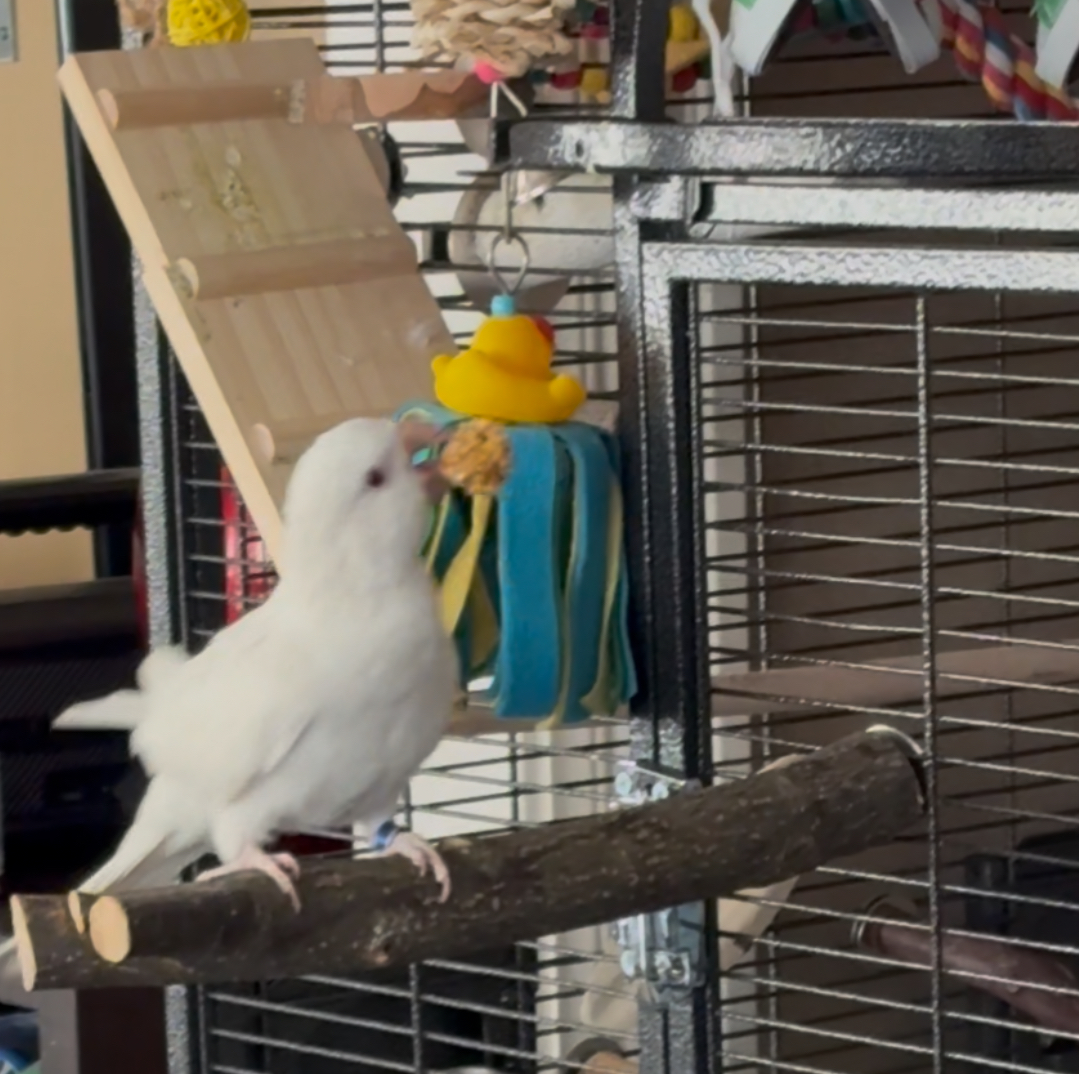
As Cinnamon Says: Only the Best for Your Bird's Feet
Every perch we sell is homemade, hand-selected from natural safe wood trees, and hand-crafted right here in Upstate New York. Natural grapevine from wild forests and apple wood from local orchards, processed with zero chemicals, ever.